Lifecycle Efficiency and TCO in Mission-Critical Infrastructure
Featured Answer
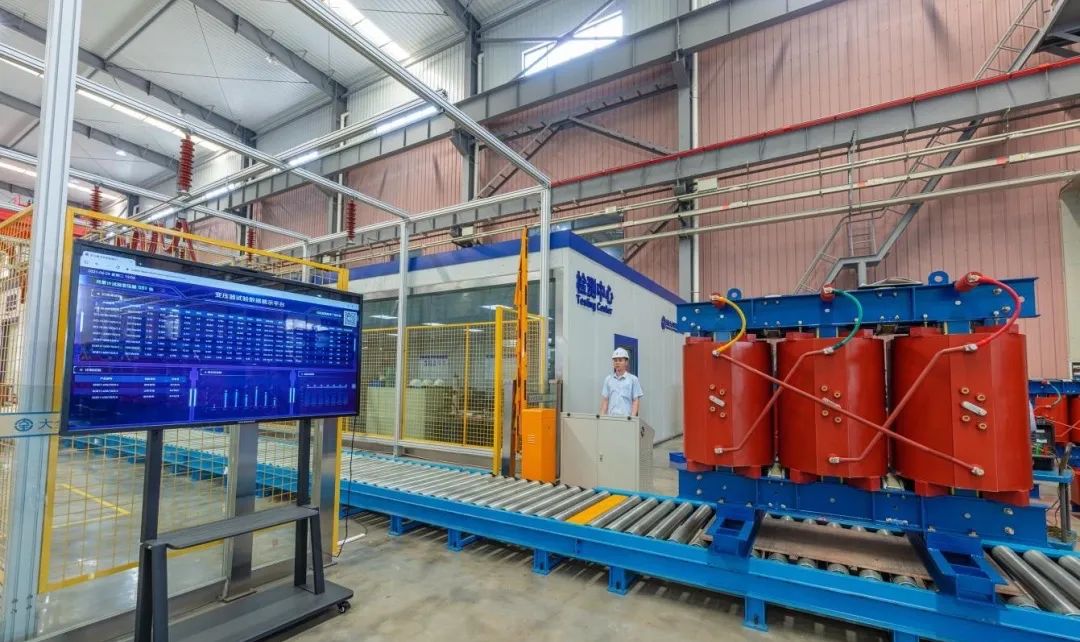
Data center operators often specify cast-resin dry-type transformers, such as the SCB18 series, instead of oil-immersed units to reduce fire risk, simplify indoor installation, and improve lifecycle cost. Dry-type transformers use non-flammable epoxy resin insulation and can eliminate the need for oil containment pits, blast walls, outdoor transformer yards, and dedicated deluge fire-suppression systems.
Quick Selection Guide
| Application | Recommended Product | Key Selection Factor |
|---|---|---|
| Data Center | SCB18 | Ultra-low losses and harmonic tolerance |
| Commercial Building | SCB13 | High fire safety and compact indoor footprint |
| Solar Plant | Project-specific dry-type or oil-immersed unit | Installation environment and thermal balance |
| Utility Distribution | S22 | Robust outdoor distribution network operation |
| Mining | Project-specific transformer | Vibration, dust, and ingress resistance |
| Industrial Plant | Project-specific transformer | Chemical environment and load-cycle profile |
Technical White Paper
The Capital Expenditure Blind Spot
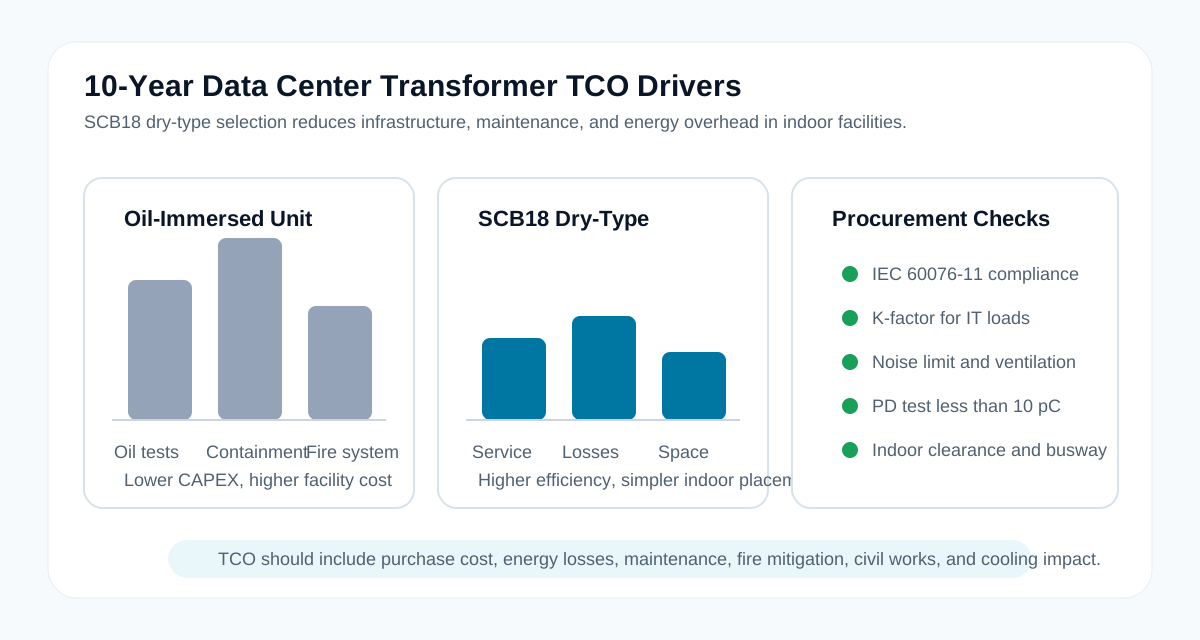
When specifying critical power infrastructure for modern data centers, evaluating equipment only by upfront purchase cost creates long-term financial blind spots. A standard oil-immersed transformer may show a lower initial CAPEX profile than an equivalent epoxy resin cast dry-type transformer.
Across a 10-year facility lifecycle, however, the financial baseline changes. In a mission-critical facility, such as an Uptime Institute Tier III or Tier IV data center, the transformer affects fire mitigation, structural placement, energy loss, maintenance workload, and cooling demand.
Core Operational Cost Drivers
Fire Mitigation Infrastructure
Oil-immersed transformers contain combustible dielectric fluid. In a severe internal fault, tank rupture and fluid ignition can create major fire-propagation risk. To control this risk, facility designs may require concrete blast barriers, oil containment basins, drainage systems, and active suppression infrastructure.
Cast-resin dry-type units using Class F or Class H insulation systems under IEC 60076-11 are non-fluid designs. They remove oil leakage risk and support safer indoor placement near switchgear and low-voltage distribution lineups.
Maintenance and Reliability Engineering
The OPEX profile of an oil-immersed transformer often includes dissolved gas analysis, oil sampling, moisture tracking, gasket inspection, leak remediation, and fluid processing. Cast-resin dry-type transformers reduce this burden because there is no insulating oil to sample or replace.
How to Select a Transformer for a Data Center
Mandate High Efficiency
Data centers operate around the clock, so no-load losses matter. Specify modern efficiency targets, such as IEC 60076-20 Tier 2 or equivalent project requirements, and request loss data in the quotation stage.
Verify Harmonic Capability
Server and UPS loads include non-linear switching currents. These currents can increase eddy-current heating in transformer windings. For data center applications, confirm whether the transformer requires a K-factor rating, such as K-13, or a manufacturer-approved harmonic derating calculation.
Use Indoor Placement Strategically
Fire-safe dry-type construction allows placement closer to low-voltage switchboards and busway systems. This can reduce voltage drop, cable length, installation complexity, and electrical room footprint.
Specification Example: SCB18 Eco-Design Substation Unit
| Technical Parameter | Specified Value / Compliance |
|---|---|
| Transformer model type | SCB18 ultra-low-loss cast-resin dry-type transformer |
| Standards compliance | IEC 60076-11 / IEC 60076-20 Tier 2 or project equivalent |
| Rated capacity | 2500 kVA AN rating |
| Harmonic tolerance | K-13 rating or project-specific harmonic design |
| No-load loss target | Project eco-design requirement or lower-loss equivalent |
| Noise boundary | Defined project value, for example no more than 55 dB at 1 meter |
| Accessories | PT100 sensors, temperature controller, enclosure, fan control if required |
Design Considerations and Structural Placement
Harmonic Load Profile
Data center servers and UPS systems generate non-sinusoidal currents, including 3rd, 5th, and 7th harmonic components. The RFQ should require harmonic data review, K-factor selection, or manufacturer derating guidance.
Ventilation Sizing
Dry-type transformers reject heat directly into the surrounding room air. Mechanical design must remove the total heat load produced by no-load loss and load loss under expected operating conditions.
Acoustic Control
Transformer noise matters in dense indoor facilities. Confirm sound-level requirements early, especially where electrical rooms are adjacent to occupied offices, control rooms, or tenant spaces.
RFQ Checklist for Data Center Substation Procurement
- Specified core efficiency target, such as IEC 60076-20 Tier 2 or project equivalent
- Target harmonic profile and required K-factor
- Rated capacity and overload expectations
- Voltage level and vector group
- Acoustic noise constraint
- Winding sensor configuration
- Enclosure entry scheme
- Indoor clearance and ventilation requirements
- Required factory test reports
Related Resources
- Data Center Transformer Guide
- Dry-Type Transformer Selection Guide
- Transformer Maintenance Checklist
- Power Distribution Guide
FAQ
What is the significance of partial discharge testing in cast-resin transformers?
Partial discharge is localized electrical breakdown within the insulation system under high-voltage stress, often occurring inside micro-voids in epoxy resin. For data center dry-type transformers, low partial discharge levels help confirm long-term insulation reliability.
How does active forced-air cooling alter transformer capability?
Air-natural cooling relies on natural convection. Activating forced-air cooling increases airflow across winding ducts, allowing the transformer to manage continuous or emergency loading above its base AN rating, subject to manufacturer thermal design limits.
Why is K-factor specification important for data center transformers?
Server and UPS power supplies draw non-sinusoidal current. This can create additional winding heating in standard transformers. A K-factor design, such as K-13, helps ensure that the transformer conductors and core are sized for harmonic thermal stress.
How do SCB18 transformers support lower PUE in Tier III facilities?
SCB18 units are designed for lower electrical losses. Reduced no-load loss cuts continuous energy waste, and lower heat rejection can reduce HVAC burden in the transformer room.
What is the typical design lifespan of an SCB18 transformer in an indoor facility?
Under clean indoor conditions, proper ventilation, routine inspection, and suitable loading, a cast-resin dry-type transformer can operate for more than 20 years. Actual life depends on temperature, dust control, harmonic exposure, and maintenance quality.
Conclusion
For mission-critical data center infrastructure, transformer selection should compare the full lifecycle cost rather than the purchase price alone. SCB18 dry-type transformers can reduce fire-safety infrastructure, simplify maintenance, support indoor proximity placement, and lower continuous loss-related operating cost.
Need Engineering Support?
For project selection, send us the following information:
- Voltage Level
- Capacity
- Installation Environment
- Project Location
Contact: sales@ziyaopower.com
Download This Guide as PDF
Save this technical guide for offline reference. Includes all tables, specifications, and contact information.