Solar & Renewable Energy
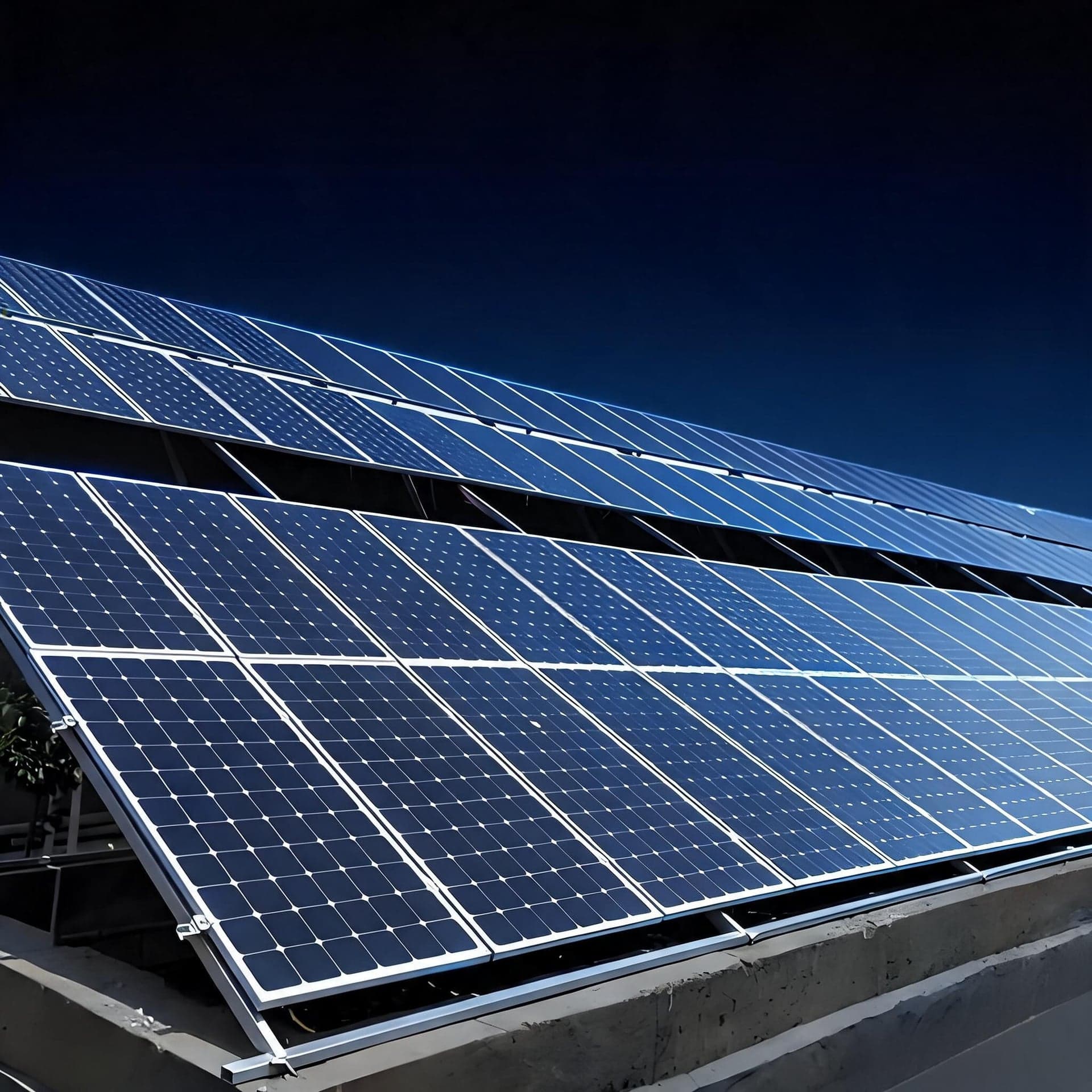
Solar PV Power
Infrastructure
Utility-scale step-up transformers, PV combiner boxes, and medium-voltage switchgear — engineered for the demanding duty cycles of solar photovoltaic generation.
Solar Power Solutions
Complete electrical infrastructure for utility-scale solar PV plants, from inverter output to grid interconnection.
Step-Up Transformers
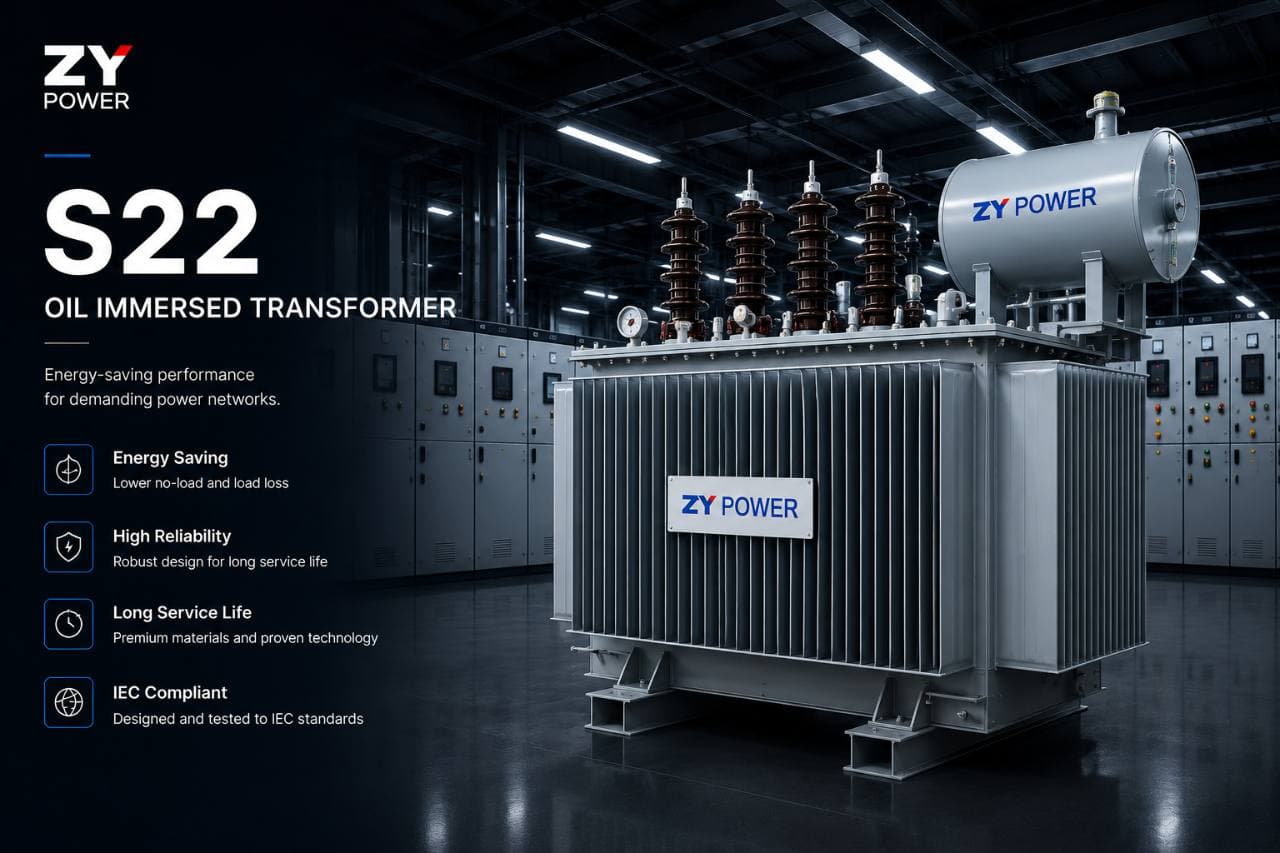
Oil-immersed and dry-type transformers rated 0.8–10 MVA, with K-factor derating for harmonic-rich inverter loads. Dual-voltage primary windings to match common PV inverter outputs (400V/800V).
PV Combiner Boxes
DC combiner boxes for solar string aggregation with fuse protection, surge arresters, and monitoring. Weatherproof IP65 enclosures for outdoor installation.
MV Switchgear
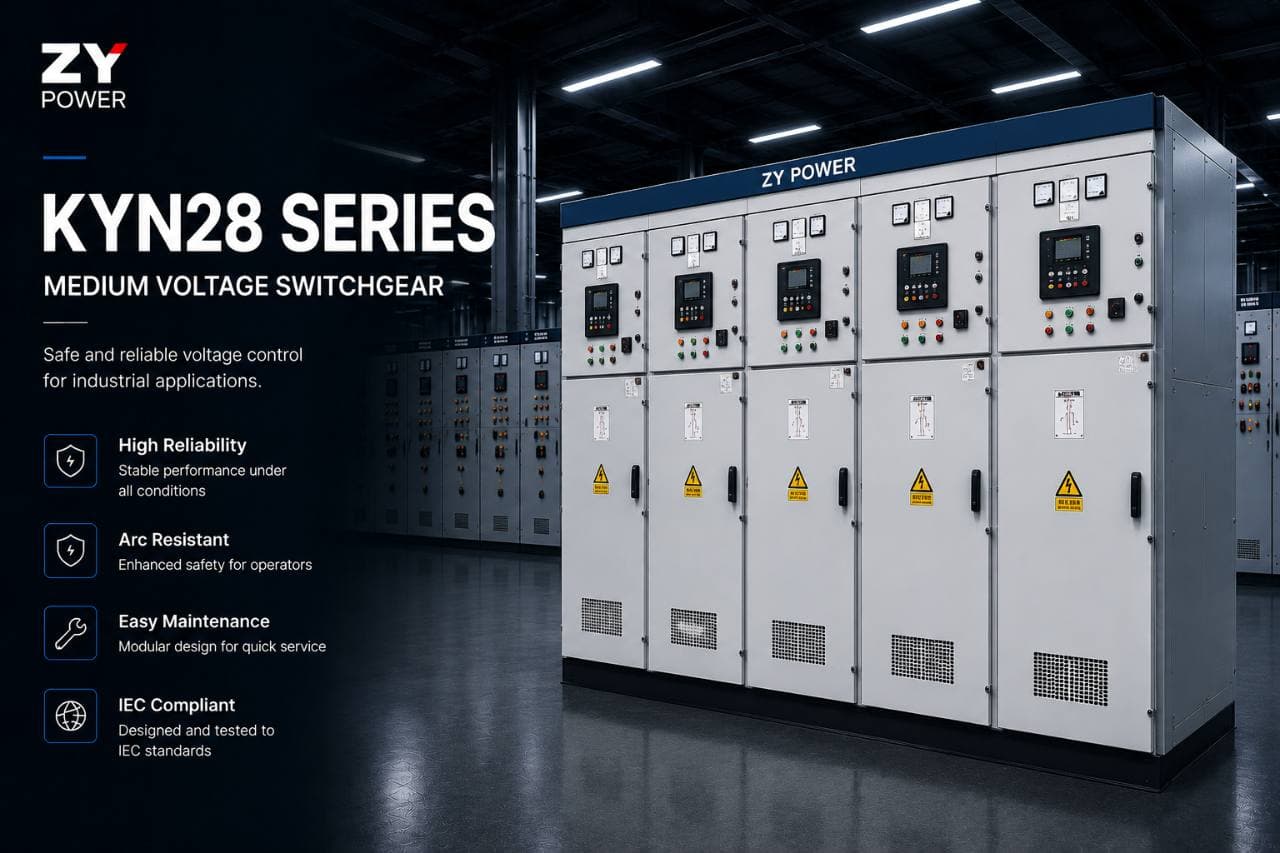
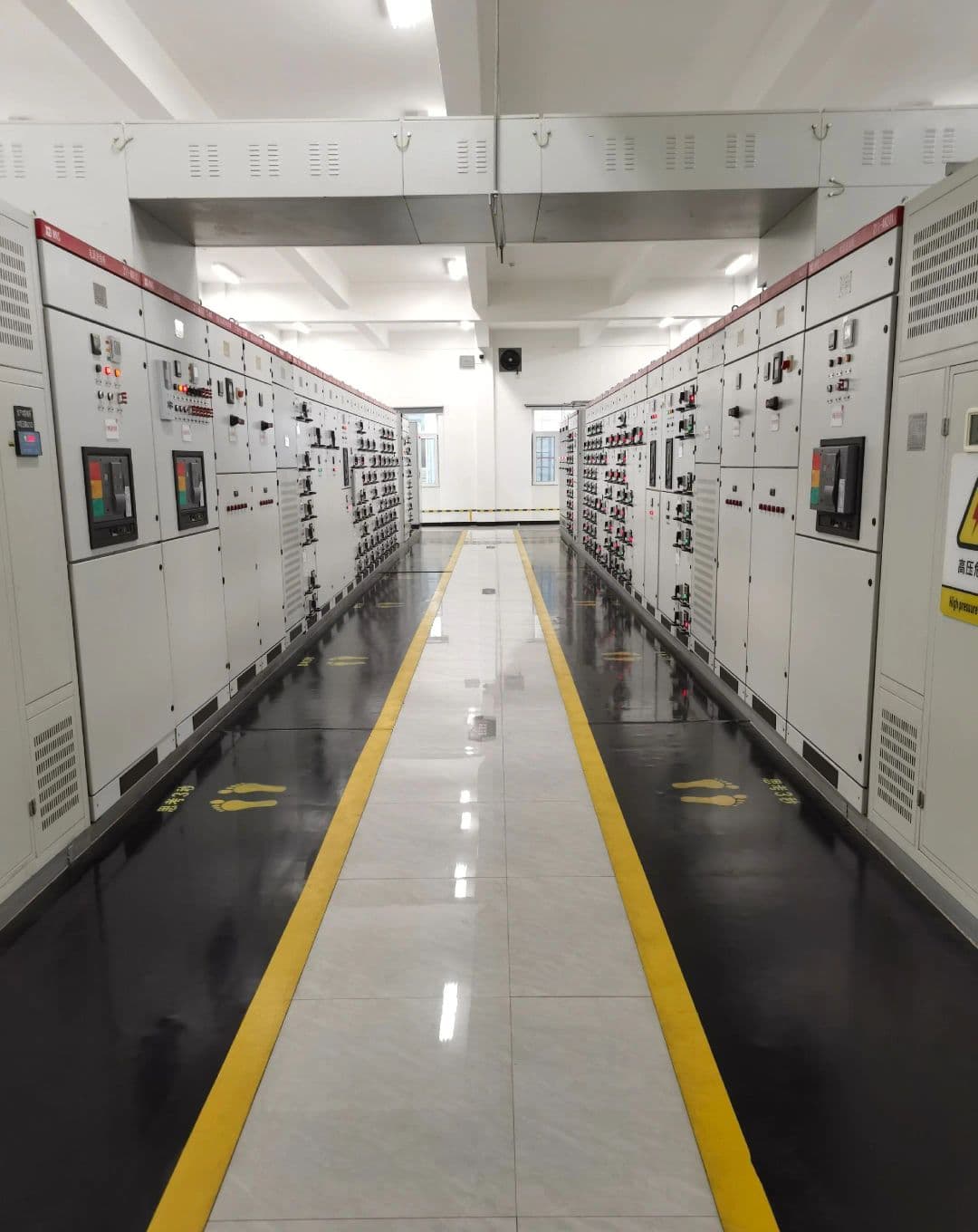
Medium-voltage switchgear for solar farm collection grids. SF6-insulated RMU or air-insulated panels with protection relays for feeder, incomer, and bus-tie configurations at 11kV–35kV.
Compact Substations
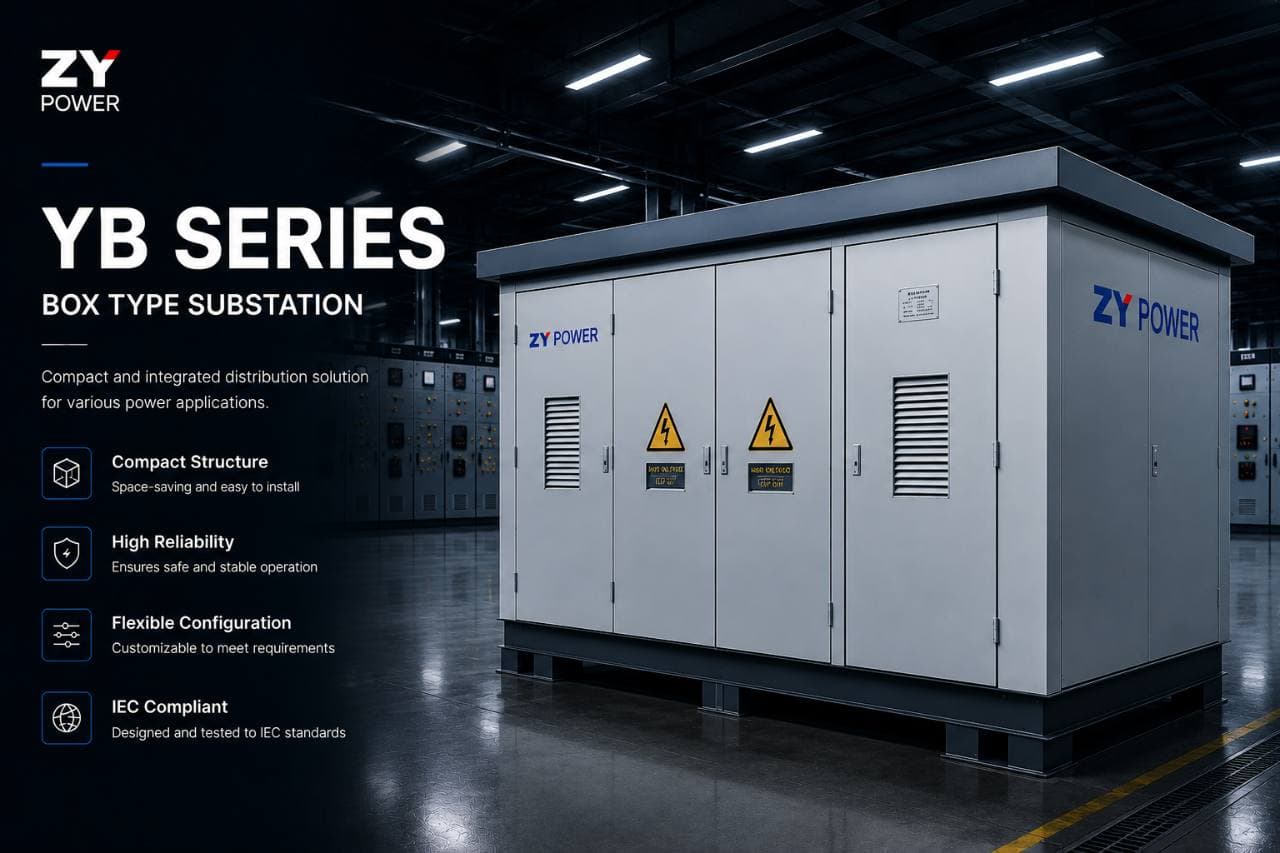
Pre-assembled solar substations combining transformer, MV/LV switchgear, and auxiliary power in a weatherproof enclosure. Factory-tested and ready for plug-and-play installation.
Grid Interconnection
Complete grid interconnection solutions including protection panels, metering cubicles, synchronizing equipment, and reactive power compensation for grid code compliance.
Monitoring & SCADA
Integrated monitoring solutions for solar farm electrical assets. Transformer temperature monitoring, switchgear status, and energy metering with Modbus/IEC 61850 communication.
Engineered for Solar Duty
Solar PV inverters produce harmonic-rich waveforms. Our transformers and switchgear are designed to handle these unique stresses reliably.
K-Factor Derating
Transformers rated for non-sinusoidal loads per IEEE C57.110. Standard K-4 to K-13 ratings available to handle inverter harmonics without overheating or insulation degradation.
Cyclic Loading Profile
Solar farms produce power ~8–12 hours/day with thermal cycling. Our designs account for daily expansion/contraction cycles, extending insulation life beyond standard industrial ratings.
Low-Loss Cores
Amorphous alloy and high-grade grain-oriented silicon steel cores reduce no-load losses by up to 70%. Critical for maximizing net energy export in solar applications where every kWh counts.
Harsh Environment Design
UV-stabilized coatings, stainless steel hardware, and sealed tank construction for desert, coastal, and high-altitude solar installations. Ambient temperature rating up to 50°C.
Fast Commissioning
Pre-commissioned compact substations reduce on-site work by 60%. Factory-tested transformer + switchgear packages arrive ready for simple cable termination and energization.
Grid Code Compliance
Reactive power capability, fault ride-through (FRT), and frequency response features built into our solar transformer and switchgear designs for utility grid interconnection.
Typical Solar Farm Configuration
A reference architecture for a 50 MW utility-scale PV plant using Ziyao equipment.
PV Array → Inverter
DC strings aggregated through PV combiner boxes to central or string inverters outputting 400V/800V AC.
Inverter → Step-Up Transformer
Ziyao 2.5 MVA oil-immersed step-up transformer (400V/800V → 33kV) with K-4 rating for harmonic duty.
Transformer → MV Switchgear
33kV SF6-insulated RMU with incoming feeder, protection relay, and metering for each transformer unit.
MV Collection Grid
Daisy-chain or radial 33kV cable network connecting multiple transformer units to the main substation.
Main Substation
Ziyao 50 MVA main power transformer (33kV → 132kV) with GIS switchgear and grid interconnection panel.
Grid Connection
HV transmission to utility grid with protection, synchronizing, and reactive power compensation systems.
Frequently Asked Questions
What transformer size do I need for my solar farm?+
Can you supply equipment for bifacial solar module plants?+
What is the delivery time for solar transformers?+
Do you provide installation and commissioning support?+
Start Your Solar Project
Share your solar farm specifications — inverter type, capacity, and grid voltage — and receive a tailored equipment proposal within 48 hours.