EV Infrastructure
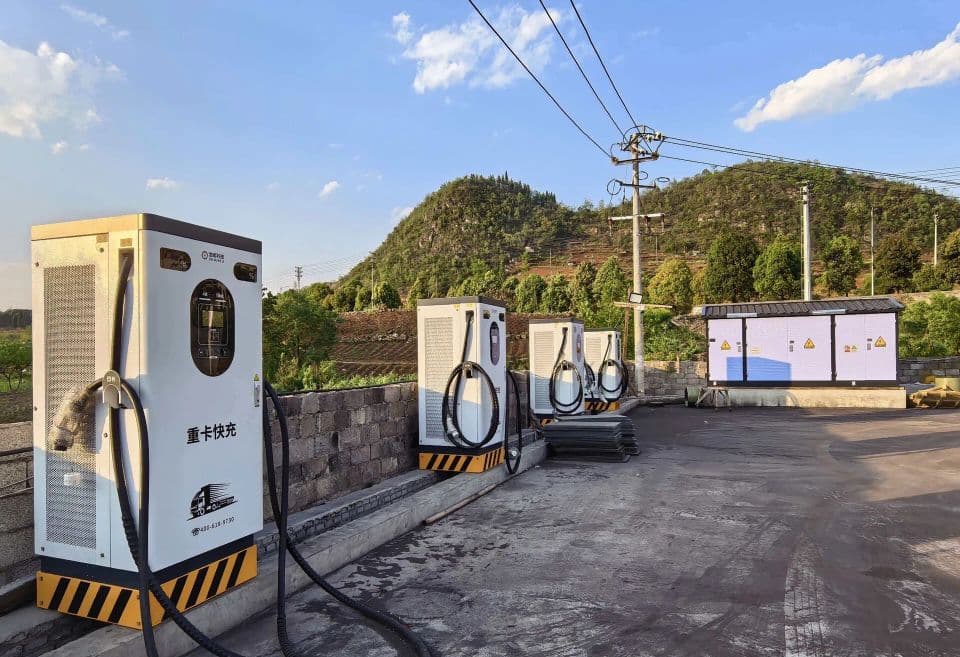
EV Charging Station
Power Infrastructure
Complete electrical systems for AC and DC fast-charging networks — from MV transformer to charger distribution, engineered for high-utilization, harmonic-rich loads.
EV Charging Solutions
Scalable power infrastructure for Level 2 AC chargers through ultra-fast 350 kW DC stations.
Dry-Type Transformers
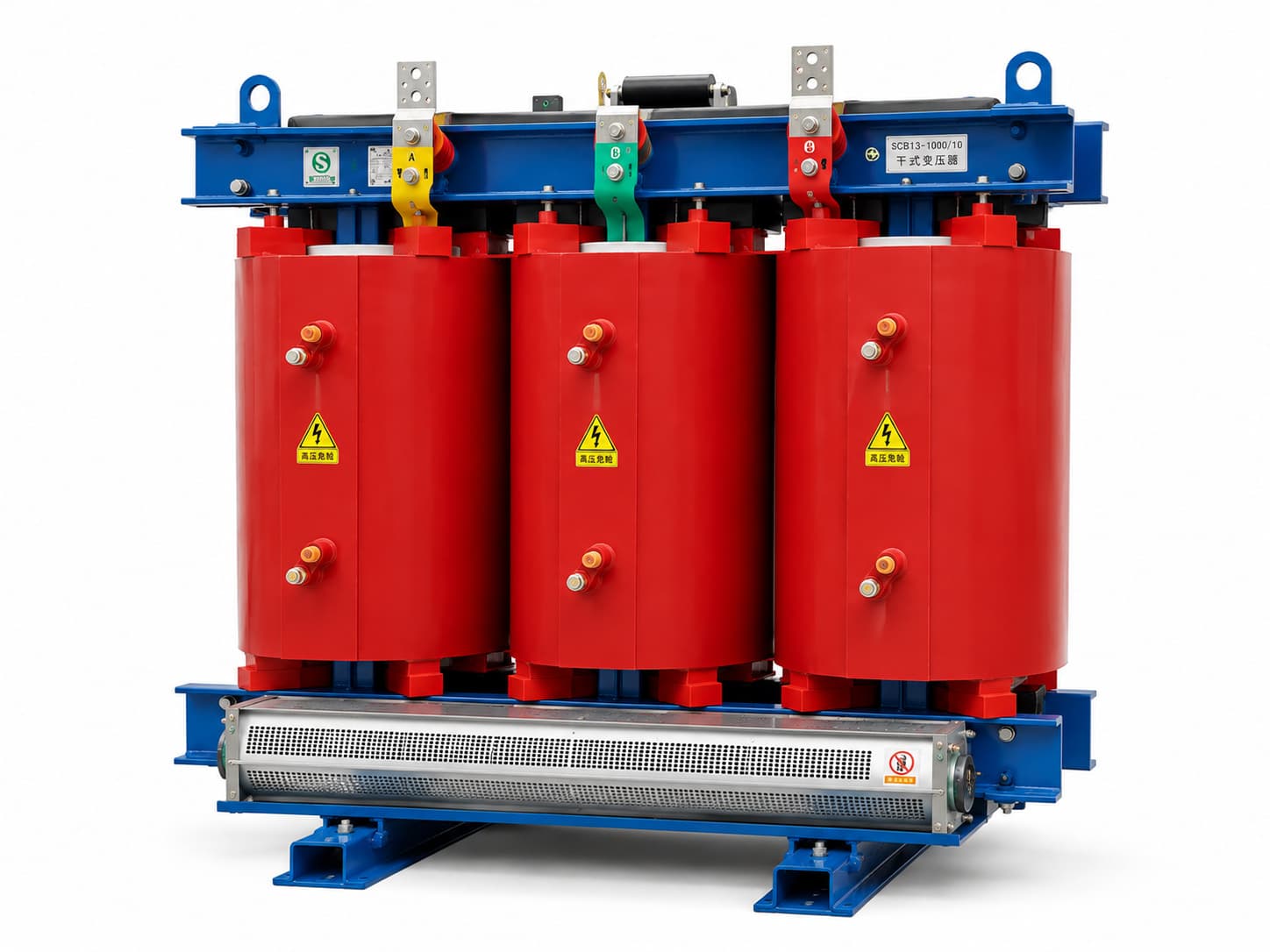
Low-noise cast-resin transformers with K-factor harmonic derating, ideal for urban and indoor charging installations. Available 500–2,500 kVA in SCB13/SCB14 efficiency grades.
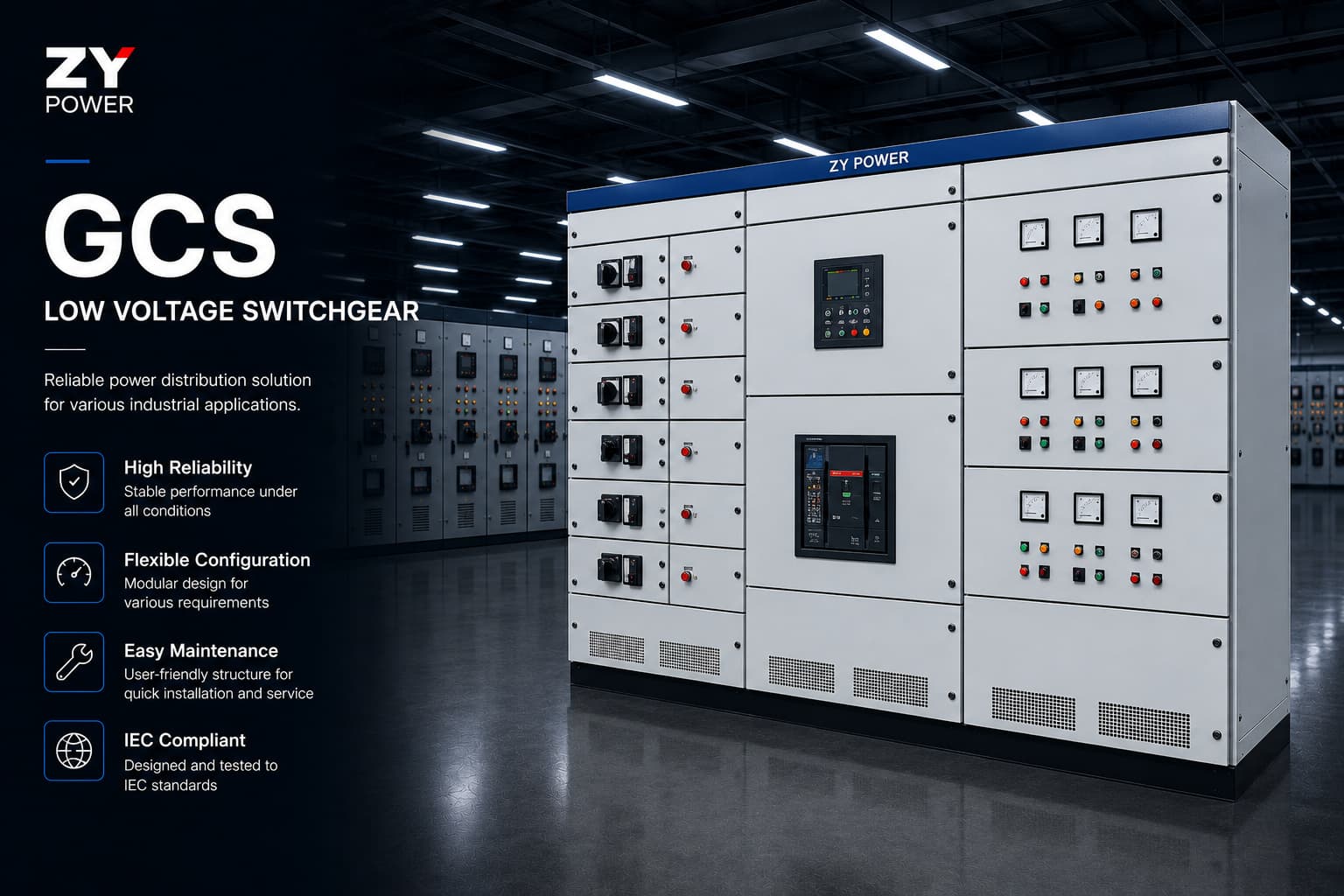
LV Switchgear
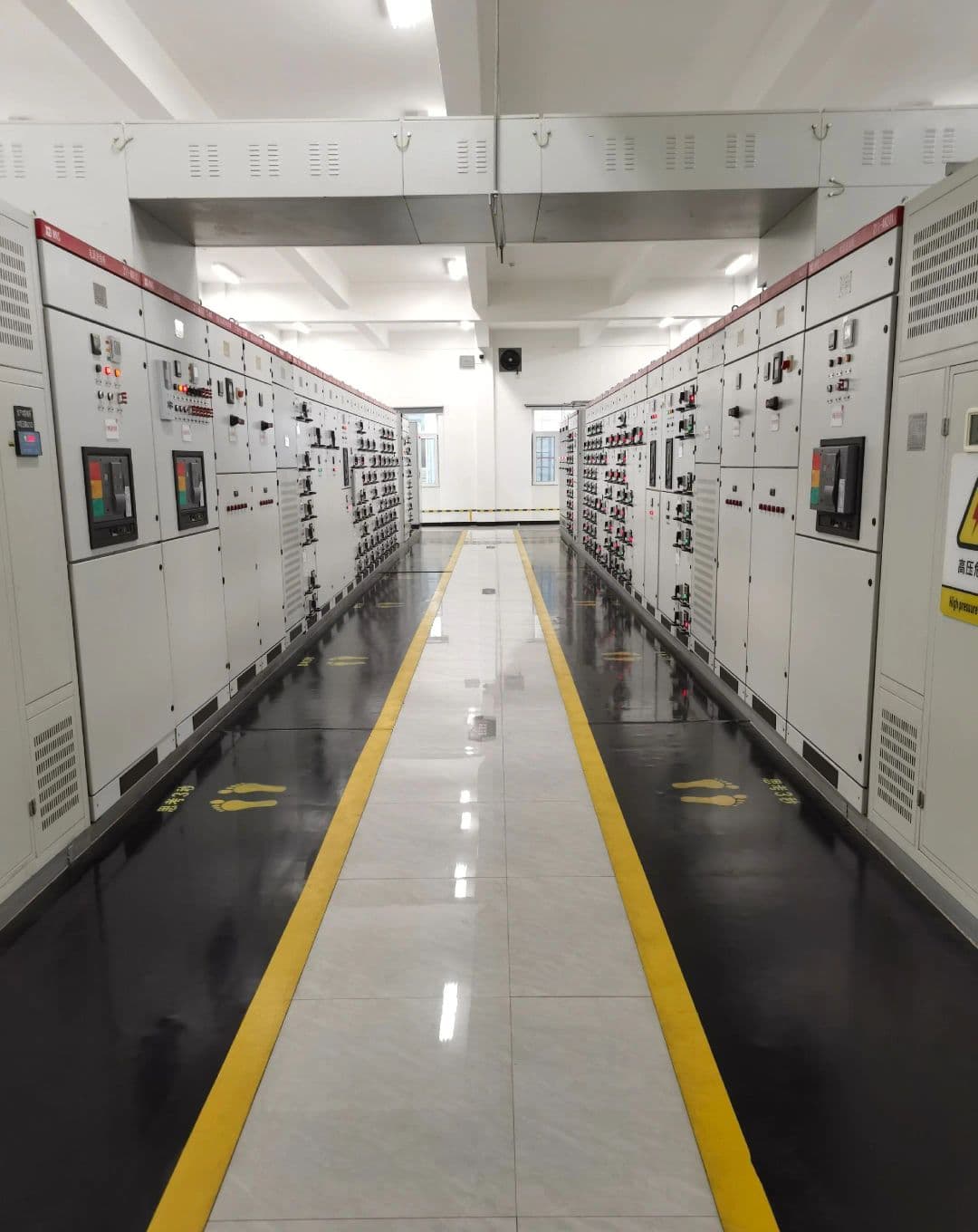
Main distribution boards with MCCB feeders for charger circuits, surge protection, and energy metering. Modular design for easy expansion as charging demand grows.
Harmonic Filters
Active and passive harmonic filters to mitigate THD from power electronics in EV chargers. Ensures compliance with IEEE 519 power quality standards at the point of common coupling.
PFC Capacitor Banks
Automatic power factor correction systems to maintain PF >0.95, reducing utility penalties and freeing up transformer capacity for additional chargers.
Compact Substations
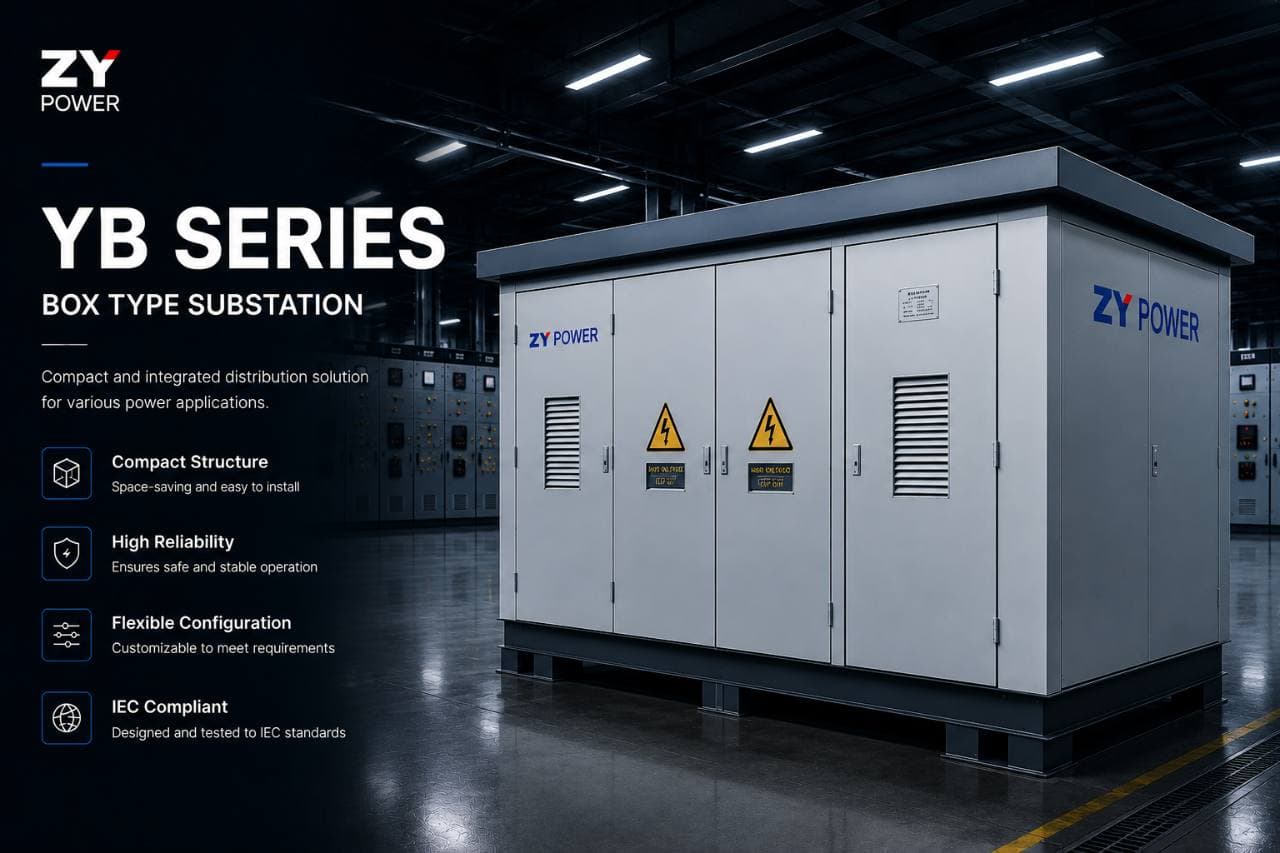
Complete EV charging substation in a single weatherproof enclosure: transformer, LV switchgear, harmonic filter, PFC, and metering. Pre-tested and ready for rapid on-site deployment.
Battery Storage Integration
Optional BESS integration for peak shaving and grid buffering. Reduces demand charges and enables off-grid or weak-grid charging station deployment.
Station Types We Power
From highway corridor ultra-fast hubs to urban destination charging, each station type has unique electrical requirements.
Highway Fast-Charging Hubs
1,500–2,500 kVA oil-immersed transformer + LV switchgear + harmonic filtering. Compact substation with future expansion bays.
Urban Destination Charging
Low-noise (<50 dB) dry-type transformer for indoor/parking garage installation. Modular LV boards for phased deployment.
Fleet Charging Depots
Multiple transformers with load-sharing, BESS integration for peak shaving, and advanced energy management for overnight fleet charging schedules.
Shopping Mall & Retail
Compact dry-type transformer + LV distribution with load management. Sound-attenuated enclosure for customer comfort.
Workplace & Office Parks
Modular LV-fed distribution with smart load balancing. Future-proofed for DC fast charger addition.
Truck & Bus Depots
Dedicated MV supply + multiple transformers + BESS for demand charge management. Rugged outdoor design for industrial environments.
EV Transformer Design Factors
Key engineering considerations when specifying transformers for electric vehicle charging applications.
Harmonic Mitigation
EV chargers (especially older DC fast chargers) inject harmonics into the supply. K-rated transformers (K-4, K-7, K-13) are designed to handle these harmonic currents without overheating. K-factor selection depends on charger type and quantity.
Diversity Factor
Not all chargers operate at full load simultaneously. A realistic diversity factor (0.5–0.8) reduces transformer kVA requirements significantly versus simple sum-of-chargers sizing. Fleet data shows typical 30–50% coincident load.
Load Cycling
Charging stations see rapid load changes as vehicles connect/disconnect. Transformer mechanical design must withstand thermal cycling and electrodynamic forces from frequent inrush events without insulation degradation.
Noise Constraints
Urban and residential charging sites require low-noise transformers. Dry-type cast-resin designs achieve <50 dB(A), making them suitable for parking garages, shopping malls, and mixed-use developments.
Future-Proofing
Charger power ratings are increasing (150 kW → 350 kW → 1 MW MCS). Specifying transformers with spare capacity and LV boards with empty breaker slots enables economical future expansion without rework.
Energy Metering
Sub-metering at charger circuit level enables billing, usage analytics, and demand response participation. Smart LV switchgear with integrated metering and Modbus/OCPP communication simplifies energy management.
Frequently Asked Questions
What is the difference between K-4 and K-13 transformers for EV charging?+
Do I need a separate transformer for EV chargers?+
How long does installation of an EV charging substation take?+
Can you integrate battery storage with the charging substation?+
Power Your EV Charging Network
Tell us about your charging station plans — number of chargers, power levels, and site location — and receive a complete electrical infrastructure proposal.