Ziyao Power
Home
ProjectsResourcesAboutContact

Transformer Maintenance: Preventive & Predictive Strategies

Power transformers represent significant capital investments with expected service lives of 25–40 years. A well-structured maintenance program combining preventive (time-based) and predictive (condition-based) strategies maximizes reliability, prevents unexpected failures, and extends asset life. This guide covers the essential maintenance practices for both oil-immersed and dry-type transformers.

1. Maintenance Strategy Overview

Preventive Maintenance

  • • Time-based scheduled inspections
  • • Cleaning of bushings and insulators
  • • Oil level checks and top-ups
  • • Auxiliary equipment checks (fans, pumps)
  • • Connection tightness verification
  • • Typical interval: 6–12 months

Predictive Maintenance

  • • Condition-based monitoring
  • • DGA (Dissolved Gas Analysis)
  • • Oil quality testing
  • • Partial discharge measurement
  • • Thermography scanning
  • • Typical interval: based on condition trend

2. Oil Analysis & DGA Interpretation

Dissolved Gas Analysis (DGA) is the single most powerful diagnostic tool for oil-immersed transformers. As internal faults develop, insulating oil decomposes and generates characteristic gases.

Key GasFault Type IndicatedStandard
Hydrogen (H₂)Partial discharge, coronaIEC 60599
Acetylene (C₂H₂)Arcing (serious fault)IEC 60599
Ethylene (C₂H₄)Hot spot > 700°CIEC 60599
CO / CO₂Cellulose (paper) degradationIEC 60599
Methane (CH₄)Low-temperature thermal faultIEC 60599

Interpretation methods include the Duval Triangle, Rogers Ratio, and IEC Ratio methods. DGA should be performed at least annually for critical transformers and more frequently if trending gases show increasing concentrations.

3. Thermography & Visual Inspection

Infrared thermography is a non-intrusive method for detecting hot spots caused by loose connections, overloaded circuits, or internal defects.

  • Connection Points: Scan all bolted connections, bushing terminals, and tap changer contacts. Temperature differences > 10 K between phases indicate a problem.
  • Cooling System: Check radiator/cooler temperature distribution. Uneven cooling indicates blocked radiators or pump failures.
  • Bushings: Hot spots on bushing surfaces can indicate internal dielectric issues or contamination.
  • Tank Surface: Localized hot spots on the tank wall may indicate core or winding hotspot issues.

4. Partial Discharge (PD) Testing

Partial discharge activity is an early indicator of insulation deterioration. PD testing can be performed on-line (during operation) or off-line.

  • On-line PD Monitoring: Acoustic sensors or UHF sensors installed permanently for continuous monitoring of critical transformers.
  • Off-line PD Testing: Induced voltage test with PD measurement per IEC 60270. Typically performed during commissioning and after major repairs.
  • Acceptance Criteria: Generally <100 pC for new transformers, <300 pC for in-service transformers (application-dependent).

Frequently Asked Questions

Q: How often should transformer oil be tested?

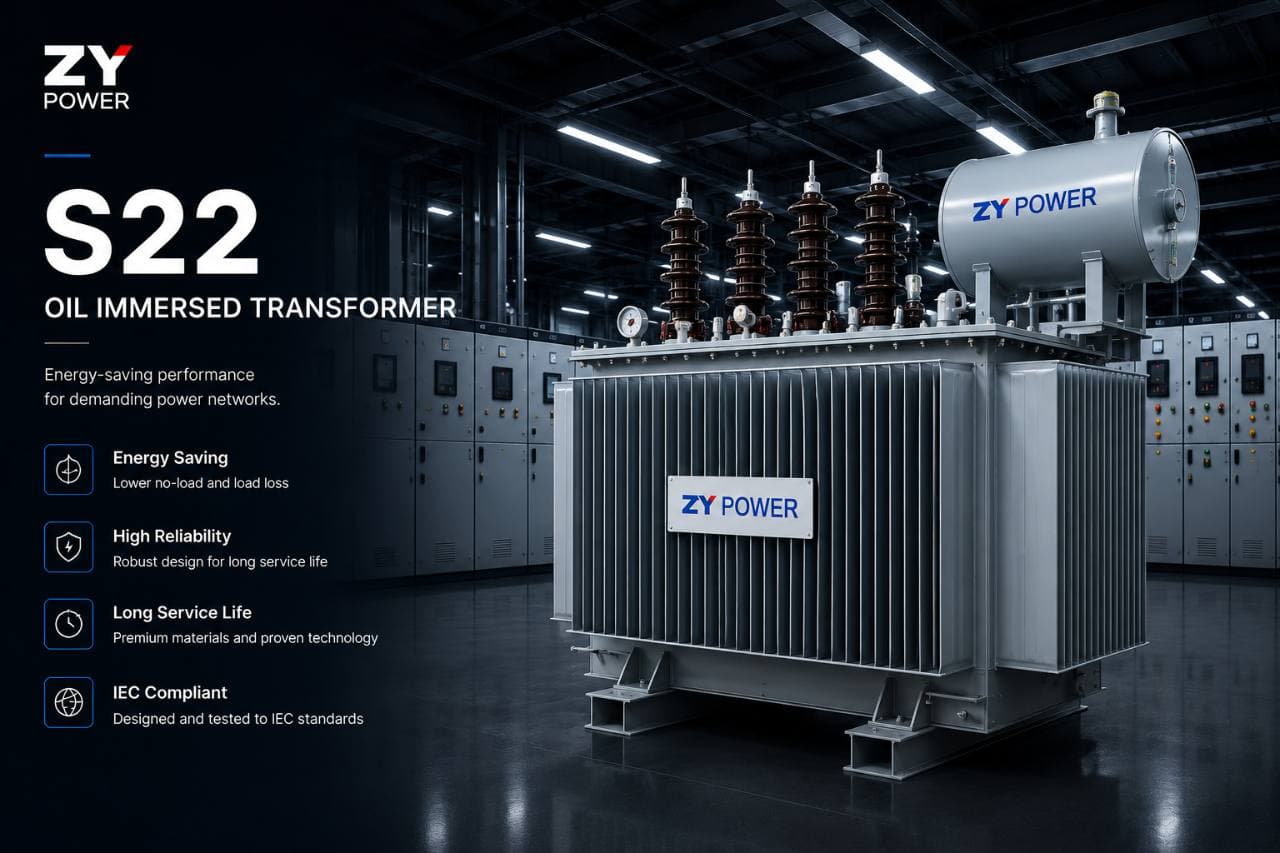
For critical transformers (transmission, generator step-up): every 6 months. For distribution transformers: annually. More frequent testing is recommended when DGA trends show increasing gas levels or if the transformer has been subject to through-fault currents. Follow IEC 60422 for detailed guidance on oil testing intervals and limits.

Q: What is the most common cause of transformer failure?

Insulation failure is the most common cause, accounting for approximately 40% of transformer failures according to CIGRE and IEEE surveys. This includes winding insulation degradation, bushing failures, and tap changer failures. Regular DGA and PD testing are the best defenses against insulation-related failures.

Q: Do dry-type transformers need maintenance?

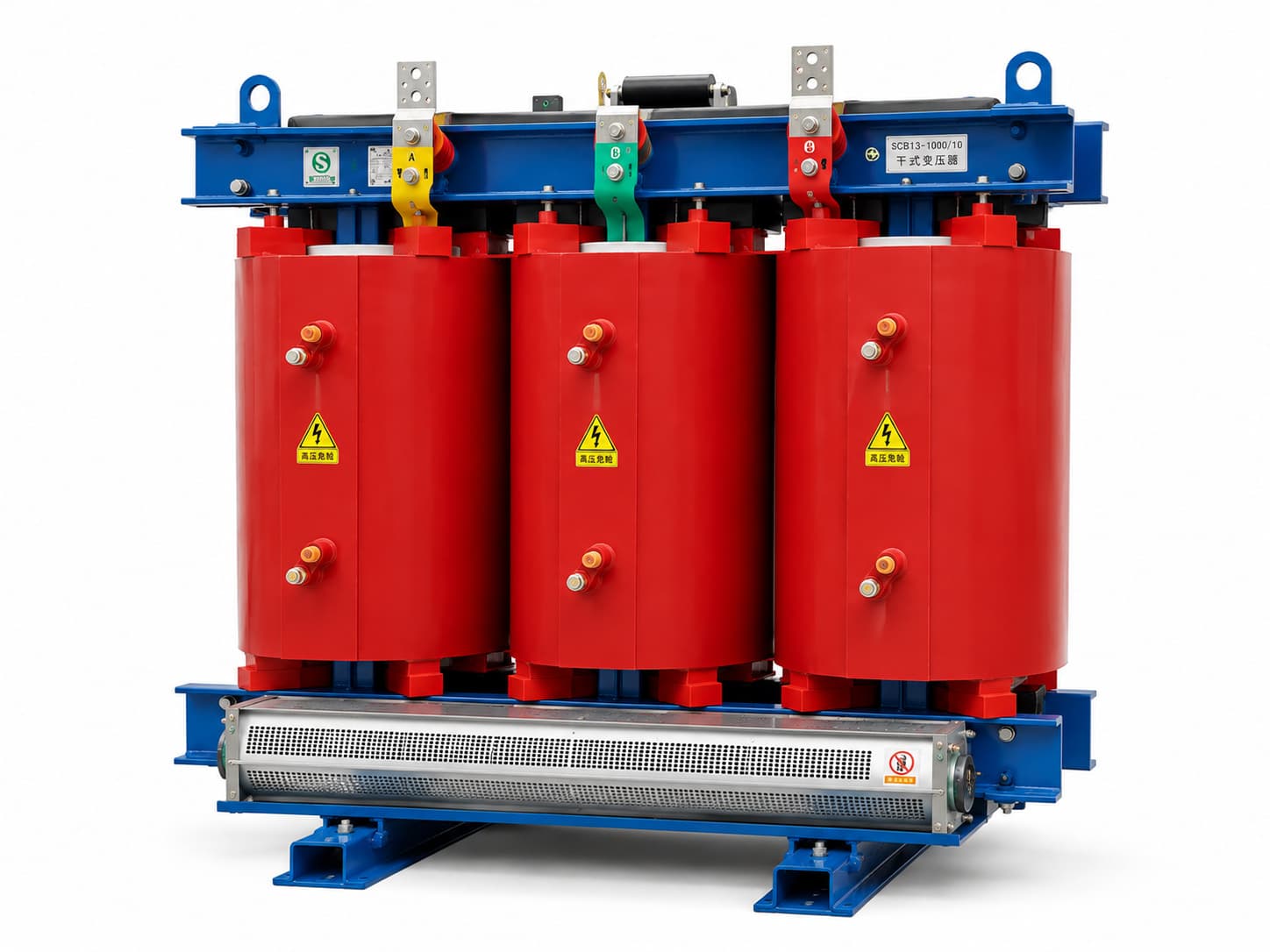
Yes. While dry-type transformers require less maintenance than oil-immersed types, they still need periodic cleaning (dust accumulation reduces cooling efficiency), connection torque checks, insulation resistance testing (meggering), and visual inspection for cracking, moisture ingress, or discoloration. Annual inspections are recommended per IEC 60076-11.

Related Resources

Oil Transformer Guide →Transformer Basics →View All Products →Download Datasheets →
Ziyao Power

Powering Future Infrastructure Worldwide

Global energy infrastructure solutions with an industrial-grade brand presence, export-ready systems, and project-led electrical expertise.

WhatsApp RFQ

Start a direct inquiry with our export team.

Quick RFQ

Contact our project managers for fast response.

Products

  • Power Transformers
  • Dry-Type Transformers
  • Oil Transformers
  • Switchgear
  • Substations
  • Circuit Breakers

Explore

  • Solutions
  • About Us
  • Projects
  • Contact

Resources

  • Download Center
  • Product Catalogs
  • Technical Inquiry

Copyright 2026 Ziyao Electric Co., Ltd. All rights reserved.

WhatsAppExport-ready EPCGlobal Delivery