How to Buy Power Transformers: A Procurement Guide
Procuring power transformers is a significant investment that requires careful planning, thorough specification, and rigorous supplier evaluation. Whether you're an EPC contractor sourcing for a substation project or a facility manager replacing aging equipment, this guide covers the end-to-end procurement process — from defining requirements to factory acceptance testing and delivery management.
1. Defining Your Transformer Specification
A complete transformer specification is the foundation of a successful purchase. Include these essential parameters in your RFQ (Request for Quotation):
| Parameter Group | Key Details to Include |
|---|---|
| Ratings | kVA/MVA rating, primary/secondary voltage, frequency (50/60 Hz), vector group, impedance % |
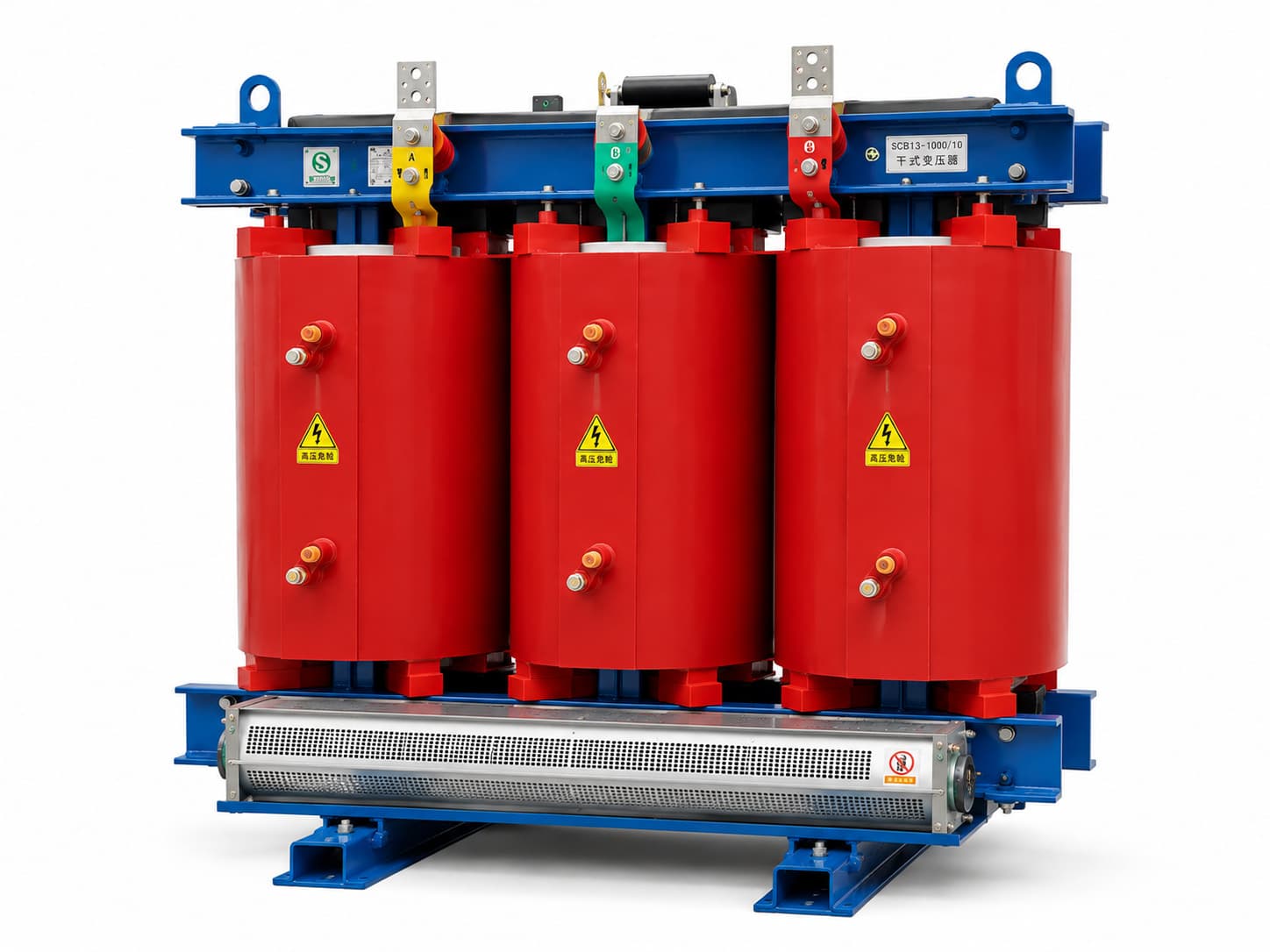
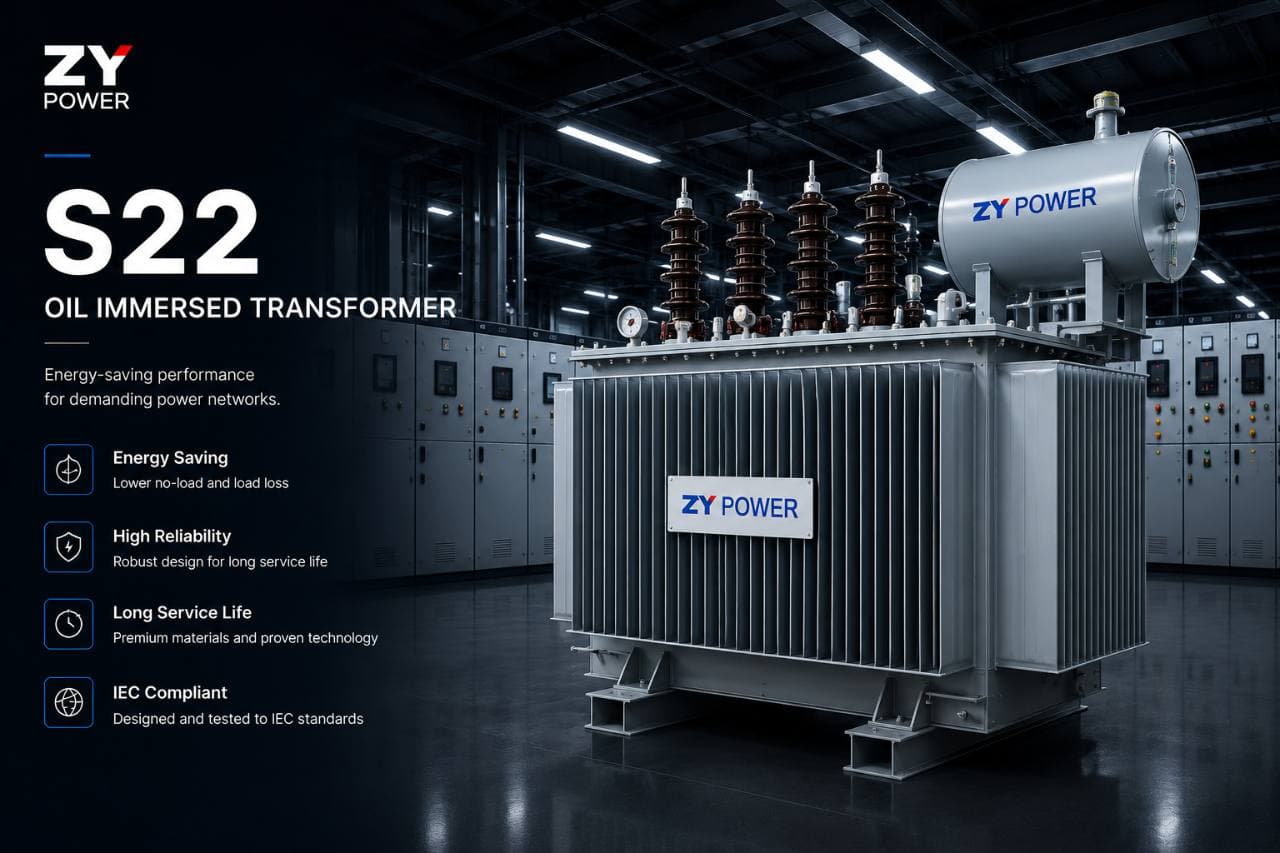
| Type & Cooling | Oil-immersed or dry-type, ONAN/ONAF/KNAN cooling, indoor/outdoor installation |
| Standards | IEC 60076 (or IEEE C57), specific parts, any local regulations |
| Accessories | Tap changer (OLTC/NLTC), Buchholz relay, PRD, MOG, thermometers, surge arresters |
| Testing | Routine tests, type tests, special tests (PD, noise, SFC), FAT requirements |
2. Evaluating Transformer Suppliers
Not all transformer manufacturers are equal. Evaluate suppliers on these criteria before shortlisting:
- Production Capacity:Verify assembly floor space, winding machines, core-cutting lines, documented production workflow, and quality records.
- Testing Facilities:Confirm in-house impulse test generator, partial discharge test setup, and temperature rise test capability. Independent lab certifications (KEMA, CESI, TÜV) add credibility.
- Reference Projects:Request references for similar kVA/voltage ratings. Check performance in comparable climates and grid conditions. Contact previous buyers if possible.
- Certifications:ISO 9001 (quality), ISO 14001 (environmental), ISO 45001 (safety), plus relevant product certifications (IEC type test certificates).
- After-Sales Support:Warranty terms, spare parts availability, local service presence or partner network, emergency response time.
3. Comparing Quotations — Beyond Price
The lowest price rarely delivers the best long-term value. Create a weighted evaluation matrix comparing:
- Technical Compliance (30%): How well does the offer match your specification? Include no-load and load loss guarantees — lower losses mean lower lifetime operating cost.
- Price & Payment Terms (25%): Total cost including freight, duties, and installation supervision. Compare payment milestones and letter of credit requirements.
- Delivery Schedule (20%): Production lead time (typically 8–16 weeks for distribution transformers, 16–30 weeks for power transformers), shipping method, and commitment to deadlines.
- Quality & Experience (15%): Track record, reference projects, in-house testing capability.
- After-Sales & Warranty (10%): Warranty duration, spare parts commitment, and availability of commissioning supervision.
4. Factory Acceptance Testing & Delivery
Before taking delivery, insist on Factory Acceptance Testing (FAT) witnessed by your engineer or an independent inspector.
- Routine Tests: Winding resistance, voltage ratio, vector group verification, impedance voltage, load loss, no-load loss, dielectric (separate source & induced), and tap changer operation.
- Type Tests (if required): Temperature rise test and lightning impulse test. These may be performed on one unit of a batch if agreed in the contract.
- Shipping Preparation: Oil-filled transformers should be shipped with nitrogen blanket or oil-filled. Ensure impact recorders are installed for transport monitoring. Verify packaging is suitable for the shipping method (container, break-bulk, or RoRo).
- Documentation Package: Confirm you will receive: test reports, instruction manual, as-built drawings, material certificates, and IEC declaration of conformity.
Frequently Asked Questions
Q: How long does it take to manufacture a power transformer?
Distribution transformers (up to 2500 kVA): typically 8–12 weeks from order confirmation. Medium power transformers (up to 50 MVA): 16–24 weeks. Large power transformers (above 50 MVA): 24–40 weeks. Lead times vary based on manufacturer backlog, material availability (especially CRGO steel), and testing requirements.
Q: Should I choose a local or international supplier?
International suppliers often offer competitive pricing and high production capacity. However, factor in shipping costs, import duties, longer logistics timelines, and potential language/service barriers. Local suppliers offer easier communication and faster after-sales support but may have higher prices. Evaluate total landed cost, not just ex-works price.
Q: What payment terms are typical for transformer procurement?
Standard terms: 30% advance with purchase order, 60% against FAT completion or prior to shipment, 10% after commissioning or within 30 days of delivery. For large orders, a letter of credit (L/C) at sight is common. Negotiate retention against warranty, but recognize that suppliers may price this into the quotation.