IEC Standards for Power Equipment: A Complete Overview
The International Electrotechnical Commission (IEC) publishes the most widely adopted standards for power equipment worldwide. Understanding these standards is essential for specifying, procuring, and testing transformers, switchgear, and substation equipment. This overview covers the key IEC standards relevant to power equipment for EPC projects and industrial applications.
1. Transformer Standards — IEC 60076 Series
IEC 60076 is the primary standard for power transformers, covering everything from general requirements to specific test procedures.
- IEC 60076-1: GeneralScope, service conditions, rating plates, and general requirements. The foundation document for all transformer specifications.
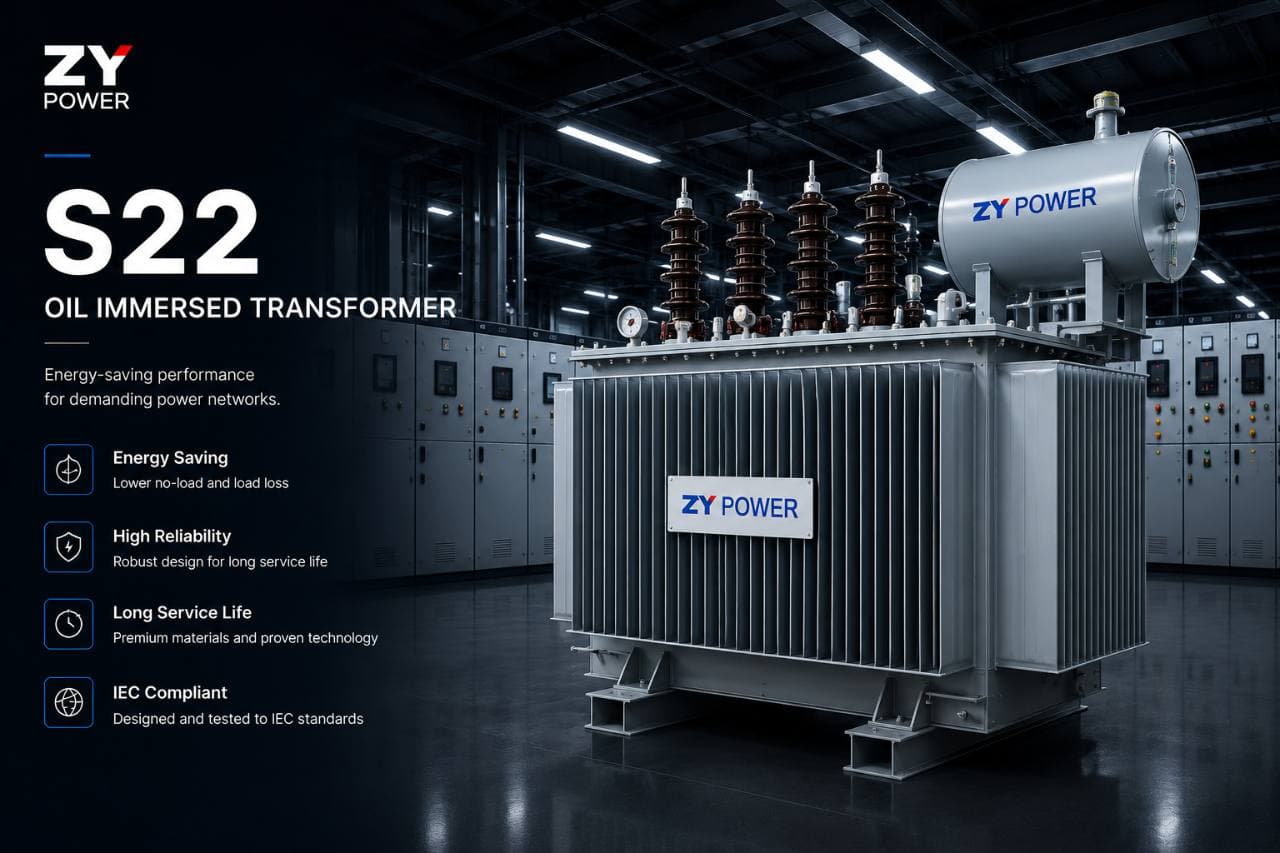
- IEC 60076-2: Temperature Rise for Liquid-Immersed TransformersDefines temperature rise limits and test methods. Standard limits: 60 K top oil, 65 K winding (ONAN/ONAF).
- IEC 60076-3: Insulation Levels and Dielectric TestsSpecifies lightning impulse (LI) and power frequency withstand voltage levels for different Um (highest system voltage).
- IEC 60076-5: Ability to Withstand Short CircuitRequirements and test procedures for demonstrating transformer ability to withstand external short circuits.
- IEC 60076-7: Loading Guide for Oil-Immersed TransformersGuidance on permissible loading beyond nameplate ratings based on ambient temperature and load cycles.
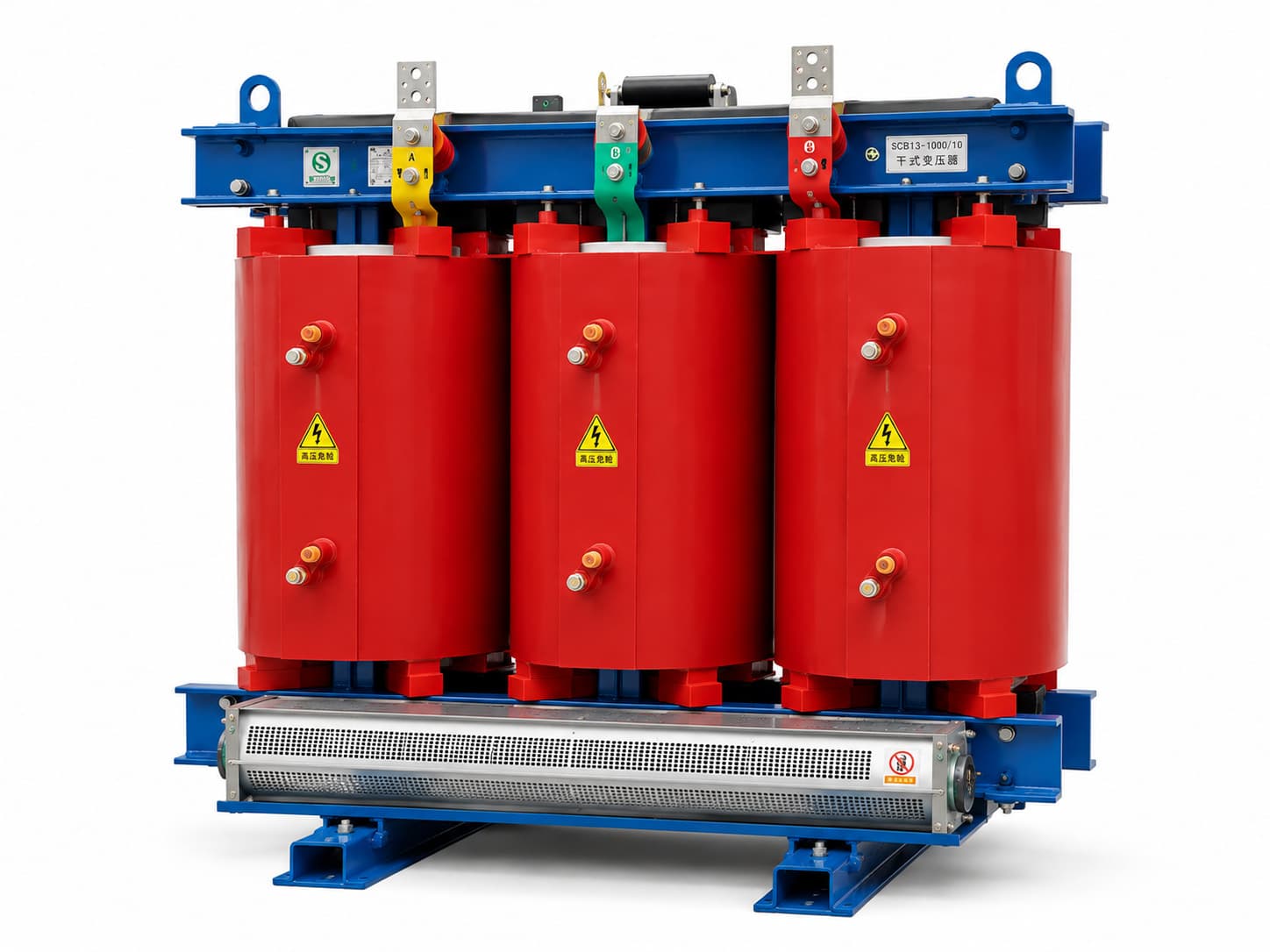
- IEC 60076-11: Dry-Type TransformersSpecific requirements for dry-type transformers including insulation classes (F, H), temperature limits, and environmental considerations.
2. Switchgear Standards — IEC 62271 Series
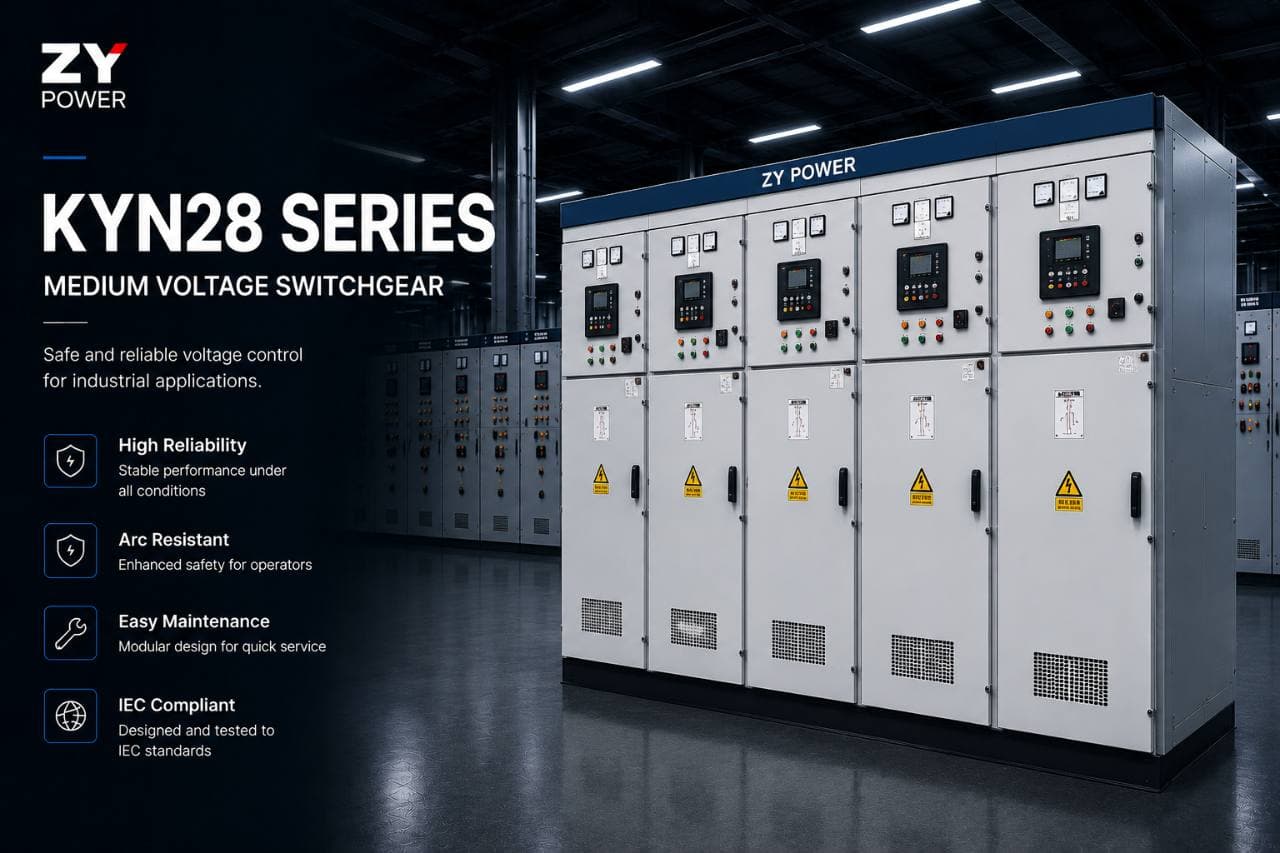
IEC 62271 governs high-voltage switchgear and controlgear from 1 kV to 52 kV and beyond.
- IEC 62271-1: Common SpecificationsGeneral requirements applicable to all high-voltage switchgear.
- IEC 62271-100: AC Circuit-BreakersType testing, routine testing, and rating definitions for circuit breakers.
- IEC 62271-200: Metal-Enclosed Switchgear up to 52 kVDesign, construction, and type testing of metal-enclosed switchgear assemblies.
- IEC 62271-102: Disconnectors and Earthing SwitchesRatings and testing for isolating devices.
3. LV Switchgear & Controlgear — IEC 61439 Series
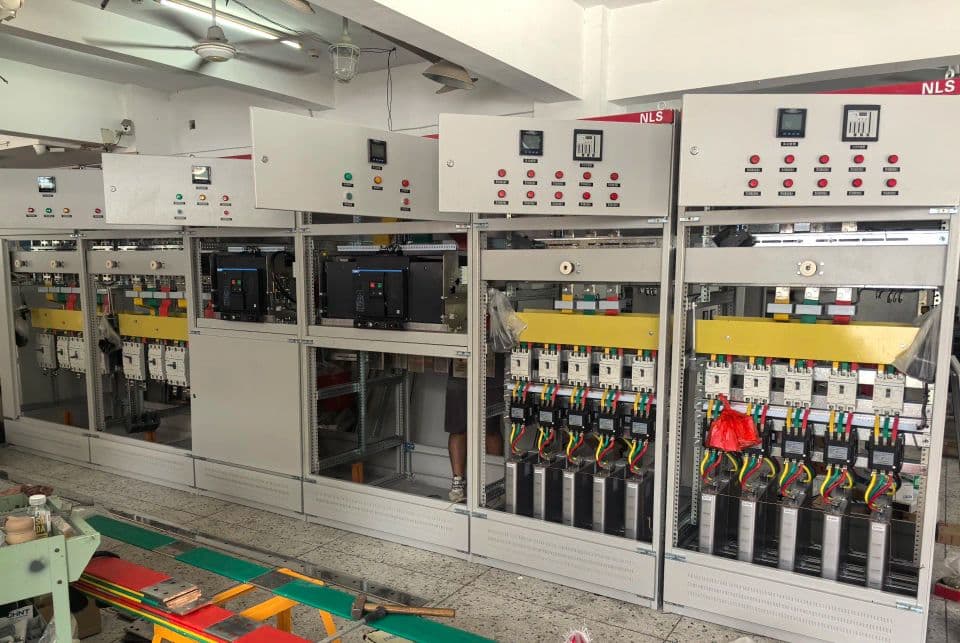
IEC 61439 replaced the older IEC 60439 for low-voltage switchgear and controlgear assemblies.
- IEC 61439-1: General RulesCommon definitions, service conditions, construction requirements, and verification methods for all LV assemblies.
- IEC 61439-2: Power Switchgear and Controlgear Assemblies (PSC)Specific requirements for main distribution boards and motor control centers.
4. Testing & Calculation Standards
- IEC 60909: Short-Circuit Currents in Three-Phase AC SystemsThe industry-standard methodology for calculating maximum and minimum short-circuit currents at any point in a power system. Essential for protection coordination and equipment rating.
- IEC 60255: Measuring Relays and Protection EquipmentDefines standard inverse-time characteristics (SI, VI, EI, LTI) and general requirements for protection relays.
- IEC 60529: Degrees of Protection (IP Code)The universal IP rating system (e.g., IP54, IP65) for enclosure protection against dust and water ingress.
Frequently Asked Questions
Q: Are IEC standards mandatory or voluntary?
IEC standards themselves are voluntary international standards. However, they become mandatory when referenced in national regulations, project specifications, or procurement contracts. Most international EPC projects require compliance with specific IEC standards as a contractual requirement.
Q: What's the difference between IEC and IEEE standards?
IEC standards (developed in Europe/internationally) and IEEE standards (developed predominantly in North America) cover similar areas but with different approaches. IEC 60076 corresponds to IEEE C57 for transformers. IEC standards are more widely adopted globally, while IEEE standards dominate in North America. Many EPC projects specify both.
Q: How do I verify that equipment meets IEC standards?
Look for type test certificates from accredited independent laboratories (e.g., KEMA, CESI, TÜV). The manufacturer should provide routine test reports for each unit, and type test certificates demonstrating that the design has been tested to the relevant IEC standard requirements.